
Author
Michael Johns
Share
Blast-Resistant Room Windows: Shielding Critical Glass from Caustic Chemicals
Blast-resistant room windows are engineered to stop catastrophic shockwaves, but caustic chemical splashes can etch the glass in seconds. Here is how multi-layer sacrificial film protects high-value safety glass and keeps inspection sightlines crystal clear.

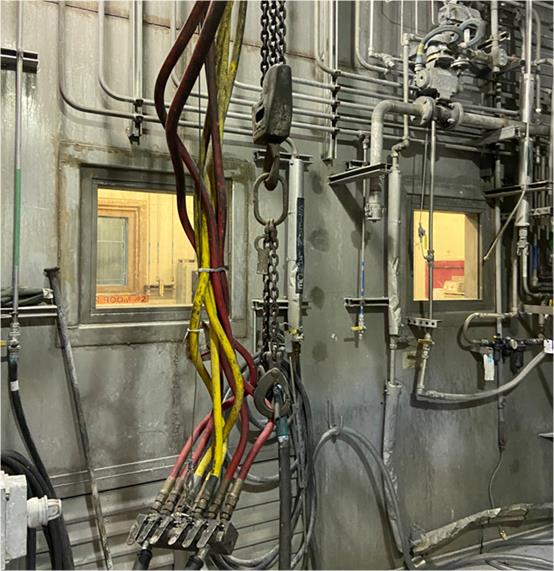
In high-risk chemical plants, test cells, and processing units, blast-resistant rooms keep personnel safe when volatile reactions occur. These fortified enclosures rely on heavy, multi-ply laminated ballistic glass to contain violent overpressure and explosive shockwaves while allowing operators to monitor reactions from a safe distance.
While this specialized glazing is built to withstand massive kinetic force, it faces an everyday operational hazard: aggressive industrial chemicals. Caustic mists, acid fumes, and corrosive splashes quickly eat into the exterior surface, clouding the view and damaging certified glass.
The Problem
Caustic chemicals and acidic vapors do not just leave dirty smudges—they chemically react with silica glass, causing permanent clouding, pitting, and etching. Once blast-room viewing windows become hazy, operators cannot clearly observe active chemical processes or spot dangerous equipment anomalies. Replacing certified blast glass is an expensive and time-consuming operation, requiring costly specialized window assemblies, heavy-rigging crews, and lengthy safety recertifications that halt active plant operations.
Solution
TearOff Products provides multi-layer sacrificial protective film engineered with a silica-infused hardcoat that actively repels corrosive chemical attacks. Mounted directly over the blast-resistant glass, the durable clear sheets absorb chemical splashes, corrosive drips, and airborne acid mists without letting them reach the underlying glass. When chemical contact eventually hazes or stains the outer surface, operators simply grab the edge tab and peel off the damaged layer in two seconds—instantly restoring full visibility without unbolting a single frame.
Results
- Stops Chemical Etching: Silica-infused hardcoat blocks corrosive mists, acids, and caustic splashes from eating into glass.
- 2-Second Surface Reset: Operators pull the tab to peel away chemical haze and restore crystal-clear sightlines immediately.
- Preserves Certified Glass: Protects multi-ply ballistic glass assemblies, keeping them clean, intact, and code-compliant indefinitely.
- Prevents Plant Shutdowns: Avoids the massive crane costs, custom fabrication lead times, and downtime needed to replace heavy blast windows.