Author
Kylie Argenio
Share
Public Transit Tear Offs on Bus Systems
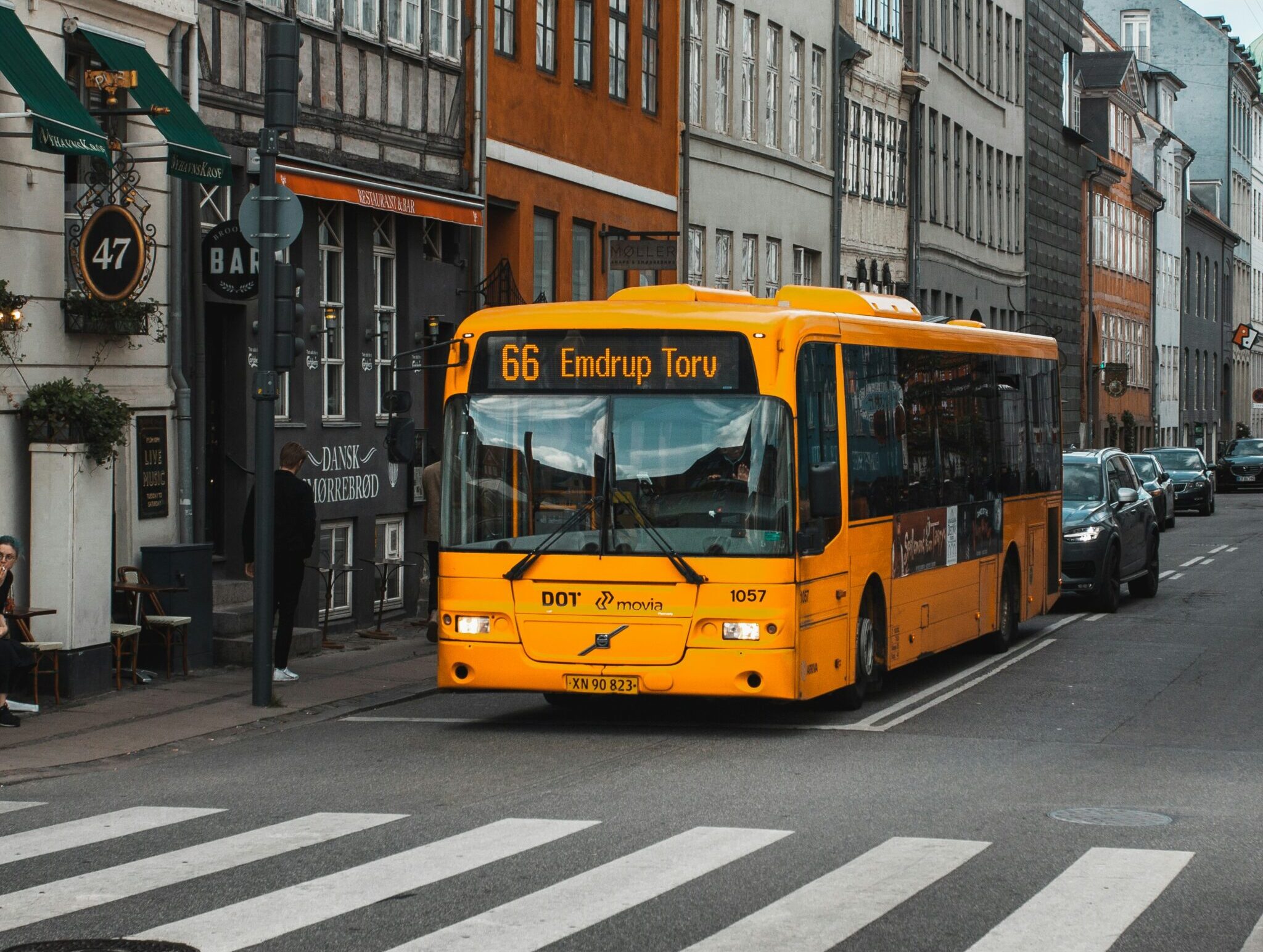
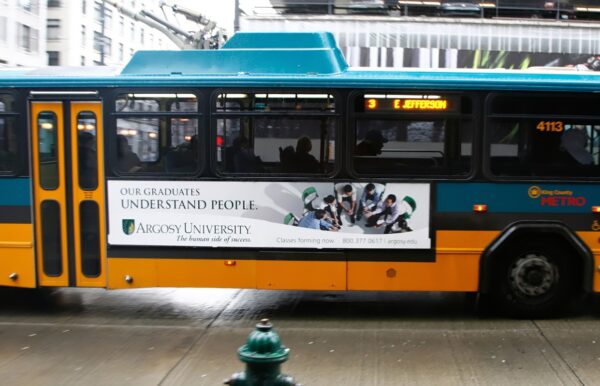 Public transit systems rely heavily on clear, readable bus signage, route maps, and digital touchscreens to keep navigation, passenger communication, and advertising running smoothly.
Sometimes, operating in a busy city environment—or even in small towns and rural areas—means these screens and signs are constantly under attack. They’re exposed to severe weather elements, road grime, everyday use, scratches, dirt, and intentional vandalism (like there’s any other kind).
When people can’t see the details on a ticketing display, we’ve all been there. We get to a screen and we can barely make it out because it’s cloudy, scratched up, or simply dirty and old. It creates confusion, sometimes causing passengers to miss stops or pick the wrong bus or train, and that disrupts overall transit efficiency.
TearOffs for public transit are crafted from durable materials—silica-infused Mylar—that provide a straightforward, highly effective protective barrier. These thin, optically clear sacrificial layers absorb all the environmental wear and vandalism while preserving crucial schedule and route information for passengers.
Specific Applications for Fleet Tear-Offs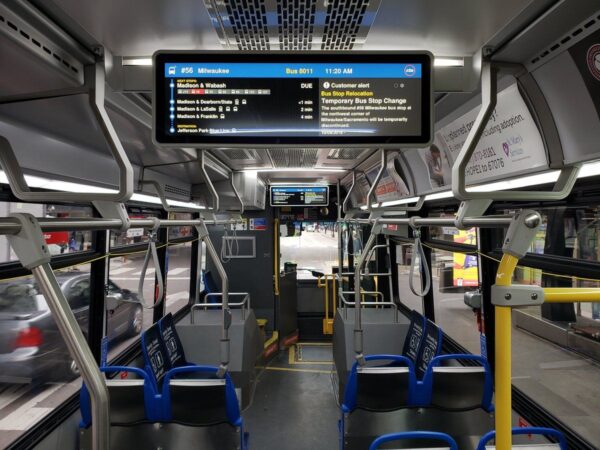 Deploying protective TearOffs across a bus fleet directly improves operations by safeguarding display screens, signage, bus schedules, ticket kiosks, and more. By covering public-facing areas along with driver and passenger touchpoints, TearOffs ensure details stay displayed and fully legible at all times.
- Specific application areas include:
Exterior and Interior Bus Signage: Prot
cts printed and illuminated route boards and signs from road grime, harsh weather, and physical scratching. - On-Board Touchscreens and Digital Displays: Preserves touch sensitivity, clarity, and passenger interaction on interactive maps and fare collection screens.
- Driver and Passenger Security Barriers: Prevents permanent clouding or hazing on clear plastic partitions caused by daily chemical cleaning and harsh disinfectants (which don’t affect silica-based TearOffs).
- Transit Kiosk and Shelter Display Panels: Shields high-traffic outdoor ticketing hubs from permanent scratching, vandalism, and acid etching.
Cost-Benefit Analysis for Transit Authorities
Adopting TearOffs gives transit authorities and municipalities a direct operational advantage by reducing how often physical signage and glass assemblies need to be replaced. Touchscreens are expensive!
Minimizing these maintenance demands allows agencies to allocate labor and budget much more effectively, ultimately raising the quality and reliability of public transportation services. To evaluate how TearOffs perform on a municipal bus system, the financial and operational trade-offs break down into clear costs and benefits.
Installation Cost
Initial Investment: The base capital outlay required to purchase materials, plus the initial labor time to apply them to bus signage and screens.
Ongoing Maintenance: Minimal, routine labor for periodic inspections. The film is built to last under extreme conditions, so maintenance becomes purely custodial—wiping down the TearOffs instead of replacing screens, replacing signage, or removing graffiti with harsh solvents. When a layer gets damaged, you simply pull up the top sheet (TearOffs come in multi-layer stacks).
- Benefits of TearOff Products
Signage and Screen Longevity: Creates an impermeable barrier against scratches, dirt, and environmental damage. This extends the lifespan of original OEM glass and digital displays while dramatically reducing replacement frequency and costs. - Improved Visibility and Passenger Experience: TearOffs ensure route information remains sharp and legible, reducing passenger confusion, eliminating missed stops, and boosting overall customer satisfaction.
- Operational Efficiency: Minimizes fleet disruptions and vehicle downtime caused by damaged or unreadable signage, displays, or equipment—helping buses stay on schedule and maintaining service reliability.
- Reduced Environmental Impact: Extends the working life of bus signage, display hardware, touchscreens, plastic partitions, heavy glass, and even windshields. This keeps electronic housings out of landfills and aligns directly with municipal sustainability goals.
The Bottom Line
While implementing TearOffs on a bus system carries an initial upfront cost, the reality is that the long-term returns and benefits far outweigh the investment. Delivering a massive return on investment for any transit authority, TearOffs extend sign longevity, guarantee superior visibility, eliminate fleet downtime, and cut down on environmental waste.
ASK ABOUT YOUR PUBLIC TRANSIT TEAR-OFFS TODAY!